What Every UGC Creator Should Know Before Signing a Contract An honest conversation with attorney and UGC creator Dawn Cheryl Kohl, JD
"When a contract isn’t clear, creators and brands can walk away with two very different understandings of the same agreement."
-Dawn Cheryl Kohl, JD
This post is for general educational purposes and is not legal advice. Contract language and circumstances vary, so consult a qualified attorney for advice about your situation.
You get the email.
A brand wants to work with you.
You’re excited, you’re already thinking about the content you could create, and then they send over a contract.
You open it up and suddenly you’re looking at pages of words and phrases you don’t use in everyday conversations.
Usage rights. Licensing. Ownership. Indemnification.
And somewhere in the middle of all of that, you’re trying to figure out one thing:
What am I actually agreeing to?
If you’ve ever felt that way, you’re not alone.
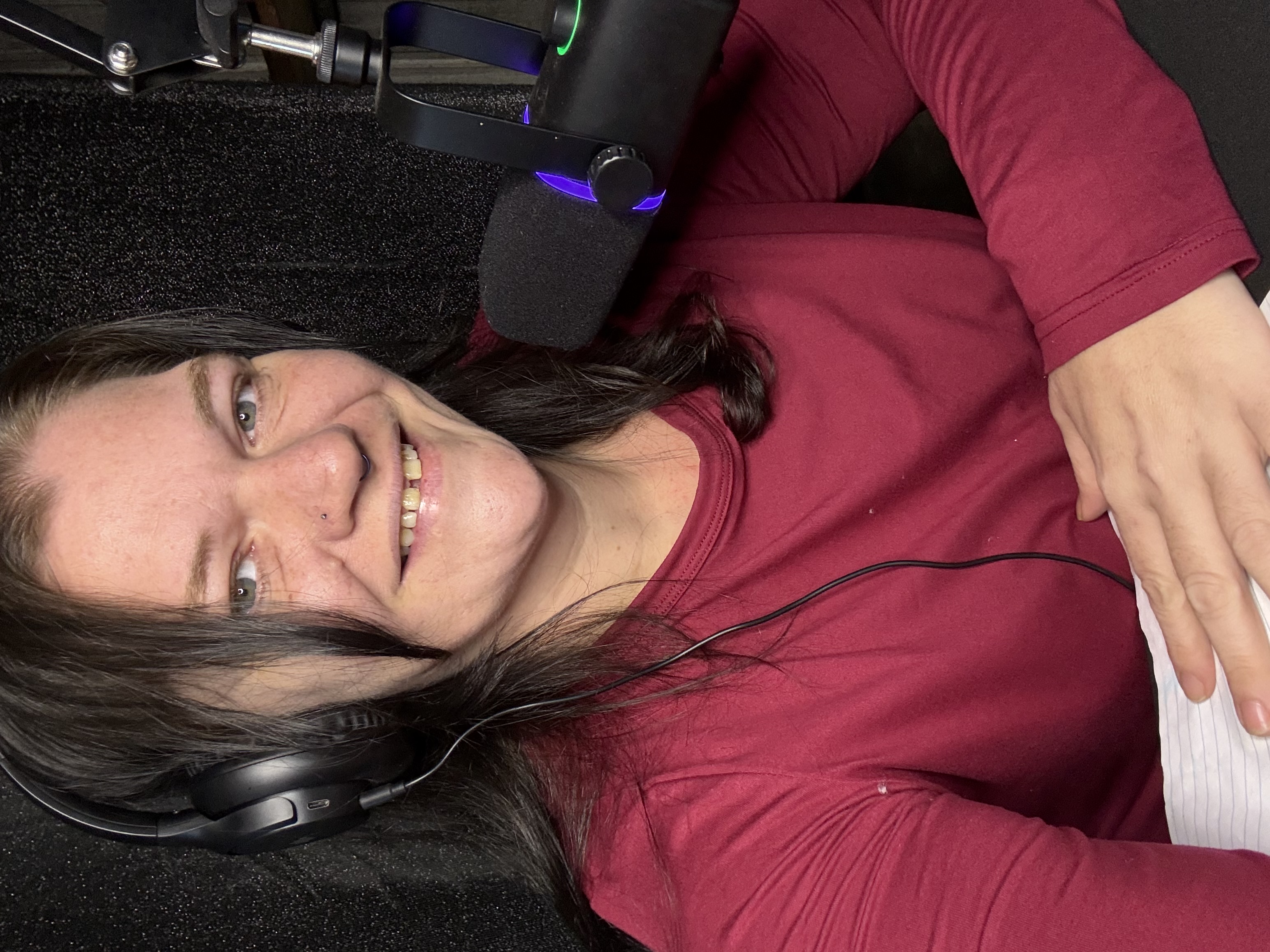
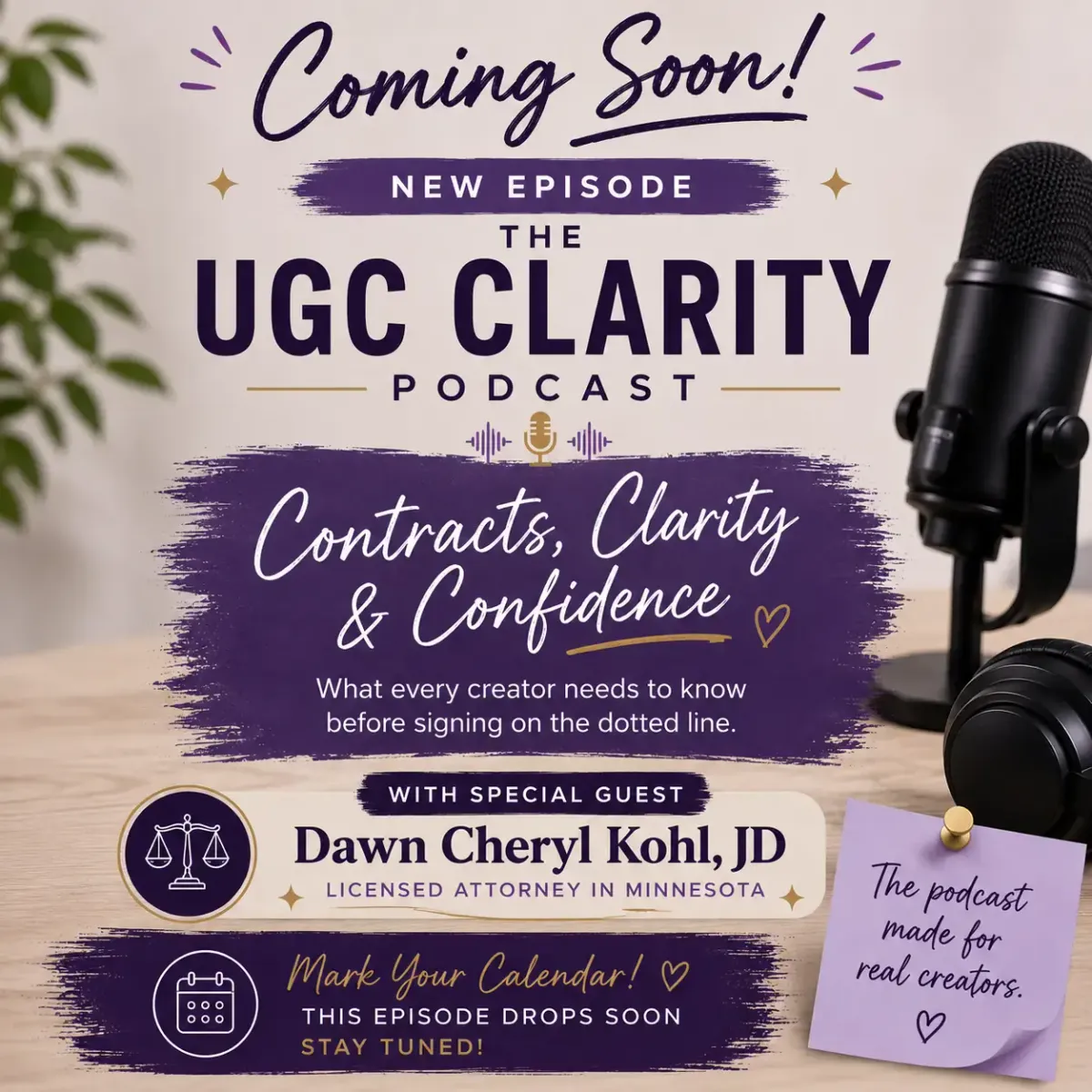
I recently sat down with Dawn Cheryl Kohl, JD, for a conversation on the UGC Clarity Podcast about contracts, confusing language, and what creators should be paying attention to before they sign.
Dawn is a licensed attorney in Minnesota, a legal educator, and a UGC creator herself. She understands the legal side, but she also understands what it’s like to be a creator trying to make sense of an industry that has its own way of doing things.
One of the biggest things we talked about was something that sounds simple but can cause a lot of problems: ambiguity.
What Does Ambiguity Mean in a Contract?
Ambiguity is when something isn’t clear and can be understood in more than one way.
And when it comes to a contract, that can become a problem.
Imagine you and a brand agree that they can use your video, but the contract doesn’t clearly explain where they can use it or for how long.
You might think they’re going to post it on their social media page.
The brand might think they can also run it as an ad.
If the agreement leaves room for both interpretations, you may not realize you’re on different pages until after the content has been delivered.
Dawn explained that confusion can even start with the words used throughout the agreement. If a contract switches between terms like “creator,” “affiliate,” “brand,” and “company,” it may not always be clear who is responsible for what.
That’s why it’s so important to slow down and ask questions when something doesn’t make sense.
It’s Okay to Ask Questions Before You Sign
I know how exciting it can be when a brand wants to work with you.
Especially when you’re newer, you might worry that asking questions will make you seem difficult or cause the brand to move on to someone else.
But you’re running a business, too.
You deserve to understand what you’re agreeing to.
If the contract says the brand can use your content, ask where they plan to use it and for how long.
If it mentions payment, make sure you understand how much you’ll be paid and when.
If you aren’t sure what a phrase means, ask for clarification.
Getting clear on the details helps both sides understand what’s expected before the work begins.
Licensing Your Content and Giving Up Ownership Are Different
This is an important one for UGC creators to understand.
When you create content for a brand, there can be a difference between giving the brand permission to use the content and transferring ownership of the content.
Dawn talked about why creators should pay attention to how the agreement describes those rights.
For example, a brand might want permission to use a video on its social media accounts or in advertisements for a set period. Another agreement might contain language about transferring ownership.
Those are different arrangements, and the wording matters.
Look closely at what the contract says the brand can do with your content, where it can use it, and how long those rights last.
And if you see language you don’t understand, take the time to ask about it.
Pay Attention to “Work Made for Hire”
Dawn also brought up a phrase creators may see in contracts: work made for hire.
It’s one of those terms that can be easy to skim past, especially when you’re focused on the payment amount or the number of videos you need to deliver.
But it can have consequences for who owns the content.
If you see this language in a contract, don’t assume it means the same thing as giving a brand permission to use your video. Ask what it means for your agreement and consider having a qualified attorney review it before signing.
What About Indemnification?
I’ll be honest. This is one of those words that can make a contract feel intimidating before you even know what it means.
Dawn discussed indemnification because it can involve responsibility for certain claims, losses, or legal costs.
The important thing is to look at what the clause says you may be responsible for.
If you’re creating content about a product, for example, you’ll want to understand whether the agreement could leave you responsible for issues involving that product.
These clauses can be complicated, so if the language is unclear or the responsibility feels too broad, it’s worth getting legal guidance before you sign.
Remember That the Brand Is Looking Out for Its Business
Something Dawn pointed out during our conversation is that brands generally prepare contracts with their own interests in mind.
That’s part of running a business.
But creators are business owners, too, and we need to pay attention to our side of the agreement.
A brand may have people who work with contracts regularly. As a creator, you might be reading one on your own at the kitchen table after everyone else has gone to bed.
That doesn’t mean you have to sign something you don’t understand.
Give yourself time to read it. Write down your questions. Ask for clarification. And when you need help understanding the risks, reach out to a qualified attorney.
You Can Learn to Feel More Confident
You don’t have to become an attorney to be a UGC creator.
But learning a few of the terms that show up in brand agreements can help you understand what questions to ask.
Dawn has created educational resources to help creators become more familiar with contracts, risk, and the business side of content creation.
She also talked about a community where creators can submit contract language anonymously for educational discussion. Her goal is to help creators recognize language, understand potential concerns, and feel more prepared when they’re presented with an agreement.
Education is a great place to start, and individual legal advice can help when you need guidance on your specific situation.
Before You Sign, Take a Breath
A contract can feel overwhelming, especially when an opportunity you’re excited about is sitting right in front of you.
But you don’t have to rush through it.
Take the time to read what the brand is asking for.
Look at the deliverables, payment, content usage, and ownership language.
If something doesn’t make sense, ask.
And if you need help understanding what you’re agreeing to, talk with a qualified attorney.
The more familiar you become with these conversations, the more confidently you can show up for your business.
🎧 Want to hear the full conversation? Listen to “What Every UGC Creator Should Know Before Signing a Contract” with Dawn Cheryl Kohl, JD, on the UGC Clarity Podcast. Listen Here.
💜 Looking for support and a community of creators building alongside you? Join the free UGC Clarity community by clicking the community tab here.
This post is for general educational purposes and is not legal advice. Contract language and circumstances vary, so consult a qualified attorney for advice about your situation.
Share This Blog
Know a creator who could use this information before signing their next contract? Share this post with them!